Low Glycemic Meals for Homeless Shelters: Better Nutrition on a Budget
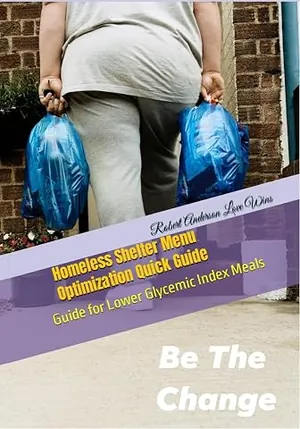
 0:37Book video · 0:37▶ Watch the promotional videoHomeless Shelter Menu Optimization Quick Guide: a short look at the book, from its Amazon description.
Low glycemic meals for homeless shelters can feel like a big topic, but it becomes manageable once you break it into small, honest steps. This guide walks through those steps with warmth and encouragement, and shows how Homeless Shelter Menu Optimization Quick Guide by Robert Anderson Love Wins can help you go further.
Why nutrition matters in shelters
People experiencing homelessness face higher rates of chronic illness, including diabetes, and often rely on donated, high-sugar, highly processed food. Nutrition for people experiencing homelessness isn't a luxury; steady blood sugar supports energy, mood and health. Shelters are in a unique position to make a real difference.
Shelter menu planning on a budget
Low-glycemic eating favors foods that raise blood sugar slowly: beans, lentils, oats, whole grains, vegetables, eggs and lean proteins. Budget low-GI recipes like bean chili, vegetable soups and oatmeal can feed many people affordably. Diabetes-friendly meal planning also means pairing carbohydrates with protein and fiber, and limiting sugary drinks.
Partnering with your community
Shelters rarely have to do this work alone. Local farms, grocery stores, faith communities and food banks may be able to donate fresh produce, whole grains or beans. Dietitians, nursing students or culinary programs sometimes volunteer to help plan menus or lead nutrition workshops.
Inviting guests into the conversation is just as important. Asking about food preferences, cultural traditions and health needs helps build menus people actually enjoy. Nourishing meals served with dignity communicate something powerful: you matter, and your health matters.
What Homeless Shelter Menu Optimization Quick Guide covers
From the book's description on Amazon
As the book's description on Amazon puts it:
“In the realm of homelessness, where adversity often looms large, the importance of nutrition cannot be overstated. For individuals facing the challenges of homelessness, access to healthy food is not just a matter of sustenance; it's a lifeline to improved well-being and the prevention of chronic health issues. Unfortunately, a concerning health crisis has quietly unfolded within this vulnerable population due to…”
Learn more about Homeless Shelter Menu Optimization Quick Guide, including formats, prices and the full description.
Who will find this most helpful
This guide is for anyone exploring low glycemic meals for homeless shelters, especially readers interested in shelter menu planning, nutrition for people experiencing homelessness, budget low-GI recipes and diabetes-friendly meal planning.
Start small, and check with a professional
Choose one small health change you can keep for a month. Track how you feel. And because every body is different, talk with your doctor or a qualified professional before major changes to diet, fasting or treatment.
Want more encouragement like this? Join Robert's free Empower You to Empower Others newsletter on LinkedIn, or watch short messages on his YouTube channel.
Not sure where to start? Read free samples of Robert's two newest books, or get both as instant PDFs in the digital bundle.
Frequently asked questions
What does low glycemic mean?
The glycemic index ranks foods by how quickly they raise blood sugar. Low-GI foods raise it more slowly and steadily, which can help with energy and blood sugar control.
Which of Robert's books covers low glycemic meals for homeless shelters?
Homeless Shelter Menu Optimization Quick Guide is Robert Anderson Love Wins' book on this subject. In the realm of homelessness, where adversity often looms large, the importance of nutrition cannot be overstated.
How can I get Homeless Shelter Menu Optimization Quick Guide?
It's sold on Amazon: Kindle $3.19 · Paperback $5.00 · Audiobook (prices as of Nov 13, 2026; check Amazon for the current price).